
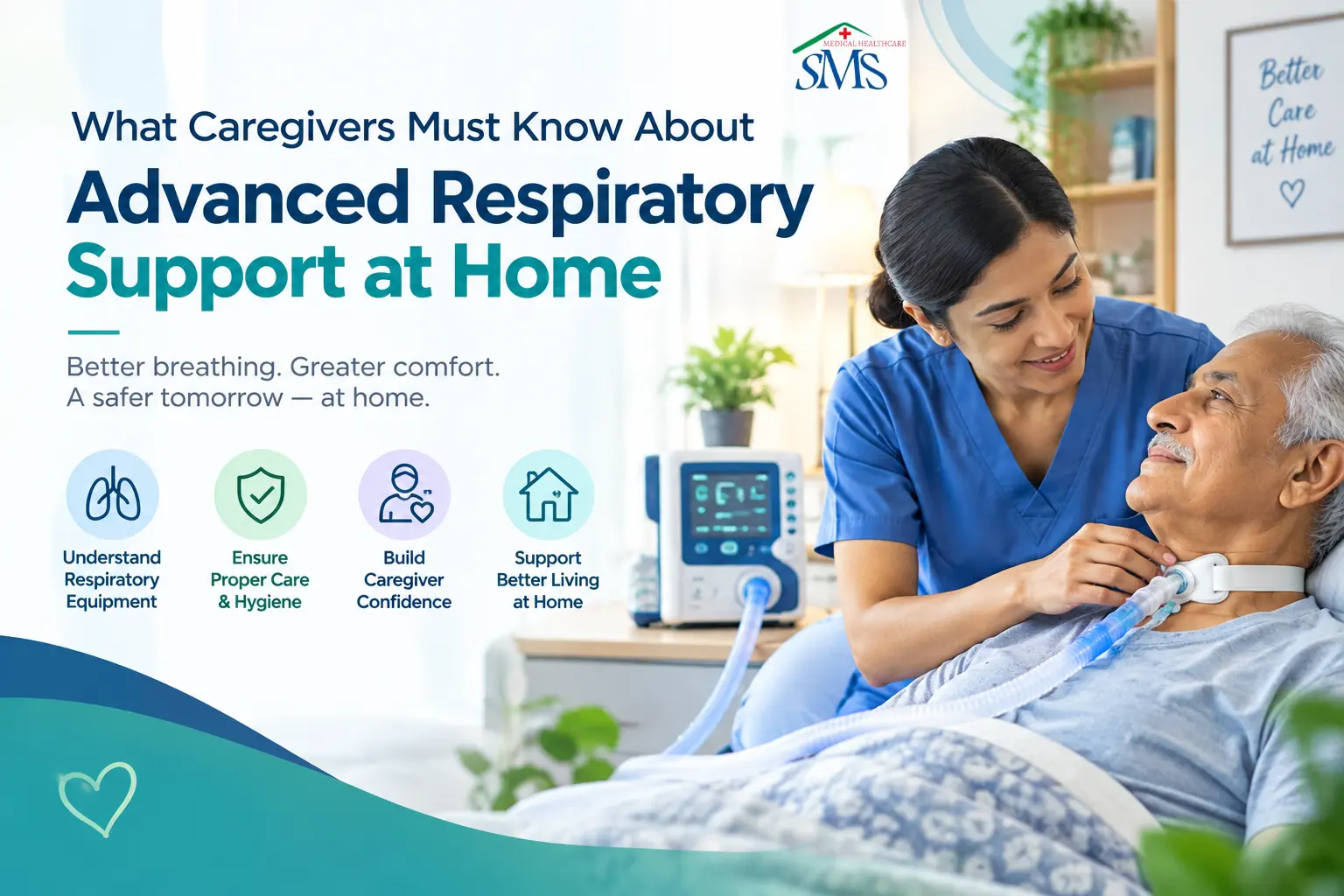
When a loved one needs advanced respiratory support at home, life changes for the entire family. It brings responsibility, fear, and a lot of new medical learning all at once. But with the right guidance and structured care, home-based respiratory support can be safe, stable, and highly effective.
One of the most critical areas in this space is tracheostomy care, which requires skill, consistency, and attention to detail. Understanding how it works and what caregivers should focus on can make a huge difference in patient safety and recovery.
Understanding Advanced Respiratory Support at Home
Advanced respiratory support is usually required for patients who cannot breathe properly on their own or need assistance to keep their airway open. This may include:
- Patients with long-term ventilator support
- Stroke or neuro patients with swallowing or airway issues
- Post-surgical patients with airway complications
- Chronic respiratory illness cases
In many cases, long hospital stays are not practical or comfortable. That’s where structured home-based care becomes important.
But this level of care is not simple. It requires trained caregivers, proper equipment, and strict hygiene practices.
Why Tracheostomy Care Needs Special Attention
A tracheostomy is a surgical opening in the neck that helps patients breathe directly through a tube. While it improves breathing, it also creates a direct airway that needs continuous care.
Without proper management, risks can include infection, blockage, or breathing difficulty.
This is why Tracheostomy home healthcare has become a critical part of modern patient support systems. It allows patients to remain at home while still receiving professional-level respiratory care.
Key Responsibilities of Caregivers
Caregivers play a central role in daily tracheostomy management. Even when professionals are involved, caregivers are usually the first responders at home.
Here are the most important responsibilities:
1. Airway Hygiene and Cleaning
The tracheostomy site must be kept clean at all times. This includes:
- Regular cleaning of the stoma area
- Changing or cleaning inner cannulas (if applicable)
- Preventing mucus buildup
Cleanliness directly reduces infection risk and keeps breathing smooth.
2. Monitoring Breathing Patterns
Caregivers should always observe:
- Breathing rate and rhythm
- Unusual sounds like wheezing or gurgling
- Signs of distress or discomfort
Any sudden change should never be ignored.
3. Suctioning When Required
Mucus buildup is common and may block airflow. Gentle suctioning helps keep the airway clear.
However, this should be done carefully and ideally under trained guidance, especially in the beginning.
4. Equipment Management
Home respiratory care often includes:
- Suction machines
- Oxygen support systems
- Humidifiers
- Backup tracheostomy tubes
Ensuring everything is clean, functional, and ready is essential for emergencies.
Infection Control: The Most Important Rule
In tracheostomy care, infection prevention is everything. Even a small lapse in hygiene can lead to serious complications.
Caregivers must follow:
- Proper hand hygiene before and after contact
- Use of sterile gloves when required
- Regular dressing changes
- Clean environment around the patient
Avoiding contamination is not optional, it is a daily necessity.
Emotional Support Matters Too
Patients with tracheostomy often face anxiety, communication difficulties, and emotional stress. They may feel dependent or isolated.
Caregivers should focus on:
- Encouraging communication methods (gestures, writing boards, etc.)
- Maintaining a calm environment
- Reassuring the patient during discomfort
- Keeping routines stable
Emotional stability directly supports physical recovery.
When Professional Support Becomes Essential
While family caregivers play a big role, professional support is often necessary for safe long-term care.
This is where services like Tracheostomy care in Kolkata become extremely important. Trained professionals can:
- Handle complex suctioning and tube care
- Monitor infection risks
- Manage ventilator or oxygen support
- Train family members for daily care
- Provide emergency response when needed
Professional involvement reduces risk and improves confidence for families managing care at home.
Choosing the Right Care Provider
Not all home healthcare services are the same. For something as sensitive as airway support, choosing the right team matters.
When selecting a Tracheostomy care agency in Kolkata, consider the following:
- Experience in critical care and respiratory support
- Availability of trained nurses or therapists
- Emergency response readiness
- Proper equipment handling protocols
- Ability to provide both short-term and long-term care
A reliable agency doesn’t just provide staff—it provides peace of mind.
Common Mistakes Caregivers Should Avoid
Even well-meaning caregivers can make mistakes due to lack of training. Some common issues include:
- Ignoring early signs of infection
- Delaying suction when needed
- Not maintaining proper humidity around the airway
- Skipping routine cleaning due to fatigue
- Improper handling of tracheostomy tubes
Awareness is the first step to preventing complications.
Building a Safe Home Care Routine
A structured routine makes tracheostomy care more manageable and less stressful. A basic daily plan may include:
- Morning airway cleaning and dressing check
- Regular suctioning as required
- Equipment inspection
- Hydration and nutrition monitoring
- Evening reassessment and hygiene routine
Consistency is what keeps patients stable and reduces emergencies.
Final Thoughts
Advanced respiratory care at home is challenging, but it is absolutely possible with the right knowledge and support system. Caregivers are the backbone of this setup, and their role directly impacts patient safety and recovery.
With proper training, structured routines, and professional assistance through trusted Tracheostomy home healthcare services, families can manage even complex respiratory needs confidently at home.
Whether it’s short-term recovery or long-term care, the goal remains the same—safe breathing, stable health, and a better quality of life for the patient.
No responses yet