
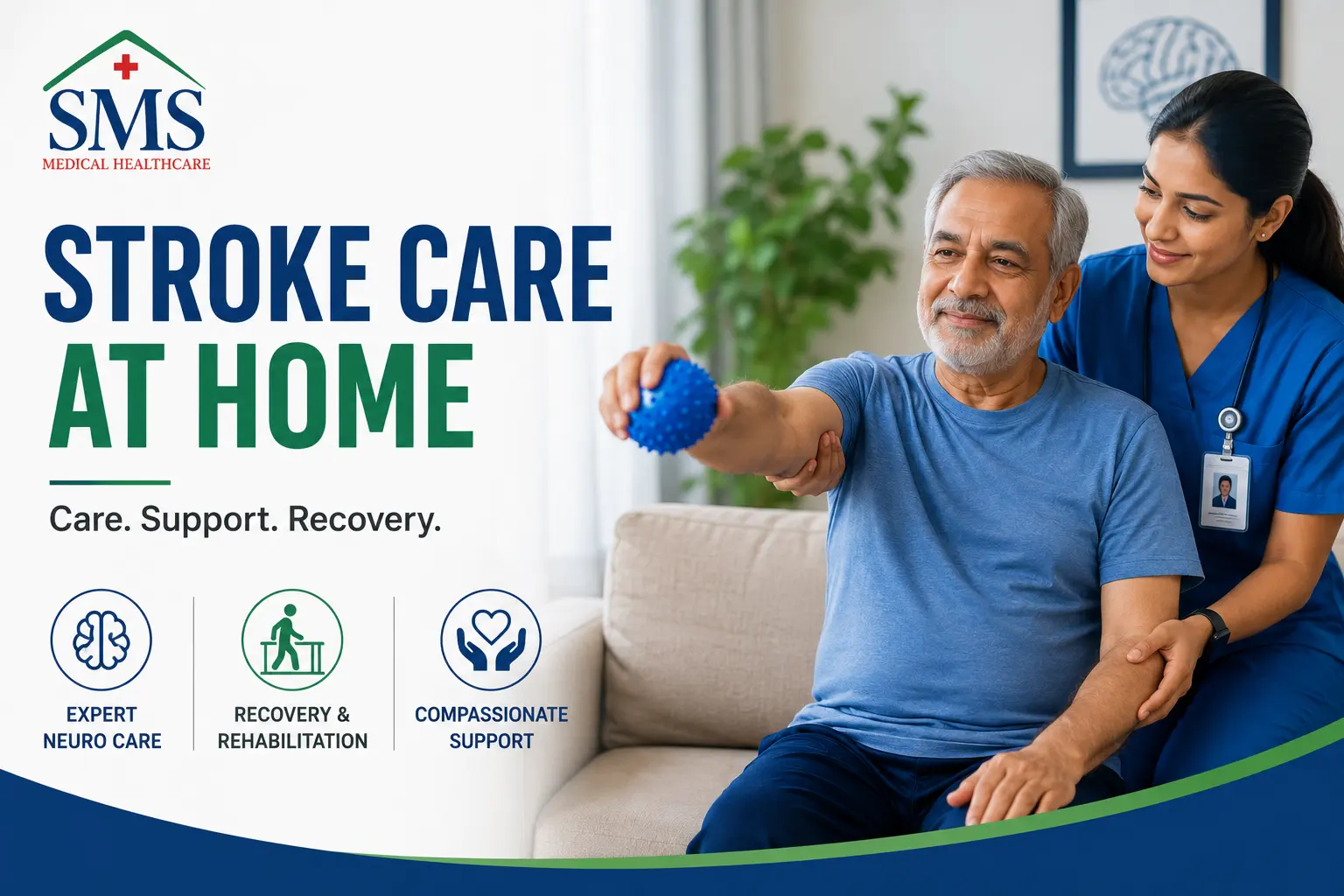
A stroke can change a person’s life within minutes. But what happens after the hospital phase is just as important as emergency treatment. Proper stroke patient care at home plays a critical role in recovery, mobility, and long-term health.
Many families today are choosing stroke rehabilitation at home to ensure patients receive consistent care in a comfortable and familiar environment.
What Happens After a Stroke
Once a patient is discharged, recovery becomes a daily process. Weakness, paralysis, speech difficulties, and limited mobility are common challenges.
Without structured stroke patient care at home, these issues can worsen or delay recovery. This is why early planning and professional support are essential.
Why Stroke Rehabilitation at Home is Important
Hospitals focus on stabilization. Real recovery begins afterward. Stroke rehabilitation at home helps patients regain independence step by step.
Key benefits include:
- Faster recovery in a familiar environment
- Personalized therapy sessions
- Reduced risk of infections
- Continuous monitoring and support
- Emotional comfort from family presence
For many patients, home nursing for stroke patients ensures consistency that hospitals cannot always provide long-term.
What Does Stroke Patient Care at Home Include
Effective stroke patient care at home is a combination of medical and supportive services:
- Regular monitoring of vital signs
- Medication management
- Physiotherapy and mobility exercises
- Speech and cognitive therapy support
- Assistance with daily activities like bathing and feeding
Professional caregivers trained in neuro care at home ensure that each aspect of recovery is handled properly.
Paralysis Patient Care at Home
In many stroke cases, patients experience partial or complete paralysis. This makes paralysis patient care at home a critical part of recovery.
Care typically includes:
- Positioning to prevent bed sores
- Muscle strengthening exercises
- Assistance with movement and transfers
- Hygiene and personal care support
With the right approach, paralysis patient care at home can significantly improve mobility over time.
Role of Home Nursing for Stroke Patients
Trained nurses play a major role in recovery. Home nursing for stroke patients ensures medical accuracy and reduces risks.
Their responsibilities include:
- Monitoring health conditions
- Administering medications
- Supporting rehabilitation routines
- Identifying early warning signs
Reliable home nursing for stroke patients helps families feel more confident in managing daily care.
Common Risks Without Proper Stroke Care
Ignoring structured stroke patient care at home can lead to serious complications:
- Bed sores and infections
- Muscle stiffness and loss of mobility
- Recurrent stroke risk
- Emotional and mental health decline
This is why professional stroke rehabilitation at home is strongly recommended for most patients.
Choosing the Right Neuro Care at Home
Selecting the right provider for neuro care at home is essential for recovery success. Families should look for:
- Experience in stroke and neurological care
- Availability of trained nurses and therapists
- Personalized care plans
- Regular monitoring and progress tracking
- Emergency support availability
A strong support system makes stroke patient care at home more effective and less stressful.
Benefits of Stroke Rehabilitation at Home
Choosing stroke rehabilitation at home offers long-term advantages:
- Better recovery outcomes
- Improved patient confidence
- Reduced hospital visits
- Continuous and personalized care
With proper planning, home nursing for stroke patients can help patients regain independence faster.
Final Thoughts
Stroke recovery is not a short-term process. It requires patience, consistency, and the right support system. Stroke patient care at home ensures that patients receive the attention and care they need every day.
With professional neuro care at home, families can provide a safer, more comfortable recovery journey while improving the patient’s quality of life.
No responses yet